Unarmed security guards play a vital role in maintaining safety across workplaces, schools, and public spaces. Their responsibilities require proper training to handle risks without weapons, focusing on observation, communication, and conflict resolution. Understanding their rights is equally important, as it ensures fair treatment and compliance with labor laws. Discover the essential training programs and legal protections that shape the profession.
Role and Importance of Unarmed Security Guards
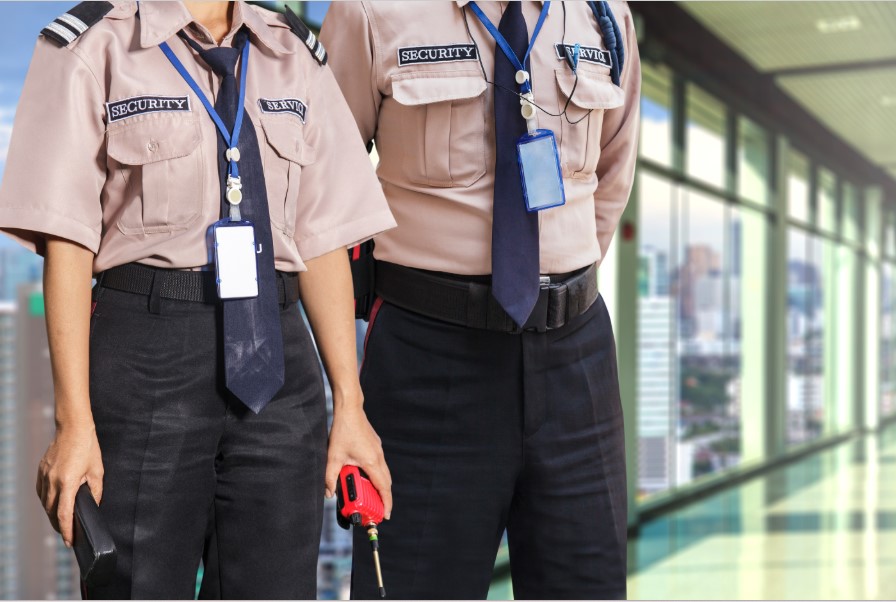
Unarmed security guards are a crucial part of safety management across varied environments. They serve as the frontline defense to deter potential threats without carrying weapons. Their presence alone can often prevent incidents from escalating, providing a reassuring sense of security for employees, visitors, and property owners alike.
These guards perform numerous tasks beyond mere observation. Their responsibilities include patrolling premises, monitoring entry points, and promptly reporting any irregular activity. Their professional demeanor helps maintain a calm and orderly atmosphere, proving that security doesn’t always require firearms to be effective.
In addition to surveillance, unarmed guards are trained in emergency protocols and customer service. Their ability to interact positively with the public while managing safety measures reinforces a secure and welcoming environment for everyone on site. This blend of vigilance and interpersonal skills makes unarmed guards indispensable across workplaces, schools, and public venues.
Comprehensive Training: Building Competence and Confidence
Proper training is the backbone of an unarmed security guard’s effectiveness. It equips guards with the necessary competencies to navigate complex situations safely and professionally. Unlike armed counterparts, training for unarmed personnel emphasizes de-escalation techniques and observational acuity over firearm proficiency.
The core curriculum typically covers:
- Basic security procedures including patrolling and access control.
- Emergency response protocols, such as fire safety and first aid.
- Communication skills for clear reporting and public interaction.
- Conflict de-escalation strategies to manage tense situations calmly.
Guards learn how to remain composed under pressure while gathering detailed information to support incident investigations. Continuous training updates ensure they stay current with evolving safety standards and legal requirements. This ongoing development enhances their preparedness for diverse challenges encountered on the job.
Legal Rights and Ethical Responsibilities of Unarmed Guards
Understanding rights and limitations is essential for unarmed security professionals. While they do not carry weapons, they possess certain legal authorities to enforce property rules and protect individuals. Their role is grounded in observing without violating privacy or civil liberties.
Unarmed guards have the right to:
- Request identification and conduct reasonable questioning.
- Escort individuals off premises when necessary.
- Detain suspects temporarily until law enforcement arrives.
They must operate within strict legal parameters to avoid charges of unlawful detention or assault. Adherence to ethical standards means prioritizing non-violent conflict resolution and respecting human rights. These principles build trust with the community and enhance the guard’s effectiveness in maintaining order.
Moreover, all actions taken by an unarmed guard should be documented meticulously. Accurate incident reports support transparency and accountability, proving vital in legal or administrative proceedings.
Emergency Handling and Public Interaction Skills
Emergencies demand swift, decisive action. Unarmed security professionals are trained to respond appropriately without escalation. Their focus lies in assessing situations, calling for specialized support, and guiding people to safety when needed.
Common emergencies handled by unarmed guards include:
- Fire outbreaks and evacuation assistance.
- Medical incidents requiring first aid.
- Suspicious behavior or potential threats.
- Managing crowds during events to prevent disturbances.
Effective communication with the public plays a pivotal role. A friendly, professional approach helps in diffusing anxiety and encouraging cooperation. By offering clear directions and assistance, unarmed guards contribute significantly to overall safety and orderliness.
If your organization requires reliable, expertly trained unarmed security personnel, consider partnering with a reputable security company that prioritizes comprehensive training and professional standards. Engaging such experts ensures your premises remain safe, orderly, and welcoming at all times.