
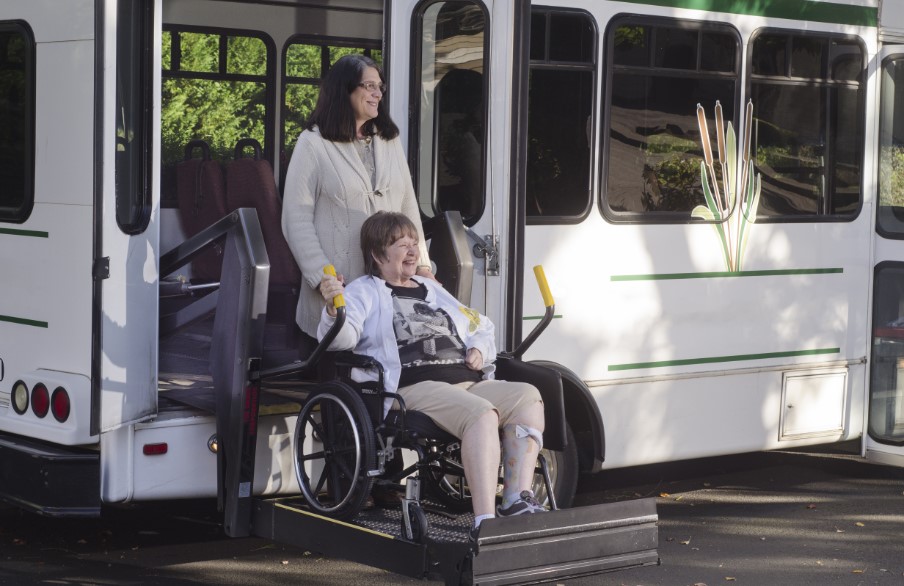
Organizing secure transportation for seniors can feel complex, but it doesn’t have to take long. With the right approach, families and caregivers can ensure safe, reliable travel in just a few minutes. This guide outlines four clear steps to simplify the process, from understanding regulations to confirming schedules and communication tools. Each step is designed to protect seniors while offering peace of mind to loved ones
Step 1: Understand Legal Requirements and Senior Transportation Regulations
Before arranging transportation services for seniors, it is essential to grasp the legal framework governing these provisions. This knowledge ensures compliance and safeguards seniors’ safety and rights. Various jurisdictions have established strict regulations for drivers, vehicles, and service providers that cater to elderly passengers.
Start by identifying the legal prerequisites for transportation providers, which often include:
- Driver background checks and certifications specific to elderly assistance, such as specialized training or sensitivity certifications.
- Vehicle accessibility standards compliant with the Americans with Disabilities Act (ADA) or similar regional legislation.
- Insurance and liability policies tailored to senior transport services to cover potential risks.
Familiarizing yourself with these criteria will help quickly verify the legitimacy of service providers. Legal compliance is the backbone of safe and secure transportation for seniors, establishing a foundation for peace of mind.
Step 2: Select Certified Transportation Services with Proven Safety Records
Once you understand the legal safeguards, the next move is to choose a transport provider that meets or exceeds these standards. In the realm of senior transportation, selecting a company with driver qualifications, vehicle safety compliance, and transparent licensing is paramount.
Focus on providers that offer:
- Certified and background-checked drivers trained in senior care, including emergency response awareness.
- Accessible vehicles equipped with ramps, handrails, and sufficient space for mobility aids like wheelchairs or walkers.
- Clear documentation of insurance status, safety certifications, and vehicle maintenance, accessible upon request.
Providers who adhere to regulatory standards such as PASS (Passenger Assistance, Safety, and Sensitivity) training exemplify trustworthiness. Confirming each service component in under five minutes, via phone or an official website, ensures swift and reliable decision-making.
Step 3: Secure a Customized Agreement Addressing Liability and Responsibilities
Organizing transportation for seniors demands more than selecting a service; it involves establishing a clear contract or agreement that formally outlines the legal responsibilities of each party involved. This ensures protection against unforeseen incidents.
The agreement should encompass:
- Explicit liability clauses assigning responsibility for accidents, medical emergencies, or property damage during transit.
- Privacy provisions safeguarding personal and medical information exchanged during scheduling or transport.
- Terms about cancellation policies, no-shows, and rescheduling to mitigate misunderstandings.
Reviewing and signing such documentation, often expedited digitally, helps secure a firm legal footing, minimizing risks and reinforcing senior safety. Transparent communication between seniors, families, and providers fortifies trust and compliance.
Step 4: Confirm Scheduling and Real-Time Communication Tools
Organizing secure transportation for seniors requires clear scheduling and reliable communication. Once the service is selected, confirm the exact date, time, and pickup location to avoid confusion. Simple scheduling tools or mobile apps make this process faster and more accurate.
Real-time communication is equally important, as it allows families and caregivers to track the ride and receive instant updates. Features like SMS alerts, phone calls, or live tracking provide peace of mind and ensure seniors feel supported.
By combining precise scheduling with transparent communication, transportation becomes safe, efficient, and stress-free for everyone involved.
Additional Tips for Efficient and Legal Senior Transportation Planning
To optimize the organization process, consider these practical recommendations:
Confirm the service’s registration with relevant state or federal transportation authorities. Using tools such as the Federal Motor Carrier Safety Administration’s SAFER system can quickly validate safety ratings and operational compliance.
Plus, check if the provider offers door-to-door assistance tailored to seniors’ mobility constraints, which is often mandated or encouraged by regulatory bodies to reduce fall risks and other incidents.
Finaly, keep documentation of all communications and agreements for future reference, supporting legal recourse if necessary. Digital contracts and records streamline this process and provide accessible proof of service terms.
By following these steps and focusing on legal protections, families can swiftly ensure seniors receive reliable, secure transportation that respects their needs and rights.
Take charge of your senior loved ones’ transportation today by contacting specialized senior transportation providers who prioritize safety and legal adherence. Secure their mobility and peace of mind with professional services designed to protect and support every journey.