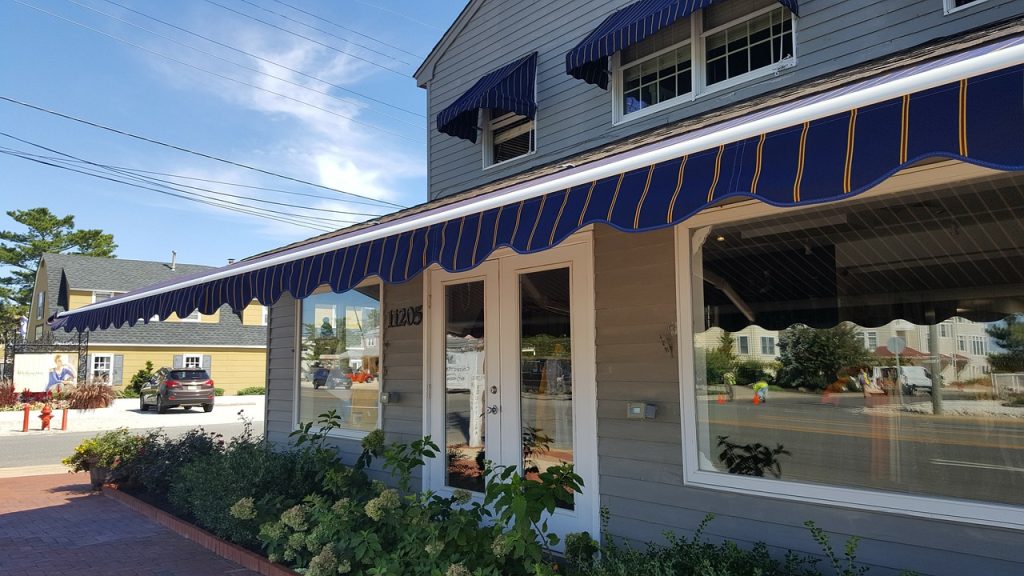

A home insurance quote reflects more than a property’s value or its location. Insurers also examine roof age and condition, electrical wiring, plumbing systems, past claims, fire protection and features that may increase liability, weighing how each detail could affect the likelihood or cost of a claim.
These factors can produce very different insurance premiums for homes that appear alike. A roof nearing the end of its service life may prompt closer scrutiny, while updated systems and clear maintenance records can help explain why a property presents fewer risks.
Property details that shape homeowners insurance risk
In a property risk assessment, insurers consider how likely a home is to sustain damage and how costly repairs might be. They may review building age and materials, claims history, fire protection, safety features and potential liability exposures; the exact mix varies by insurer and location.
Consider Brenda, a homeowner in Tampa whose quote was higher than those for nearby homes of similar size and value. A review with her broker revealed that her 22-year-old roof was a major concern. The comparison illustrates why home value alone cannot explain a premium.
For US homeowners, a CLUE report—short for Comprehensive Loss Underwriting Exchange—can show claims associated with a property over recent years. Because the record may include claims made by former owners, reviewing it can help explain an unexpected quote or identify information worth discussing with an insurer.
Roof age and condition in an insurance assessment
A roof protects the structure from wind and rain, so its age, material and visible condition can influence both pricing and eligibility. As shingles or other coverings wear down, the risk of leaks and storm damage may rise; insurers may request documentation, impose coverage conditions or decline to offer a policy.
Electrical wiring and plumbing systems as loss indicators
Outdated or poorly maintained wiring can raise concerns about fire hazards, while deteriorating pipes and older plumbing systems may increase the chance of leaks and water damage. These issues can affect more than the home’s structure: a plumbing failure may damage floors, cabinets and belongings, while an electrical fault can threaten both people and property.
Location, claims history and household features
Some rating factors sit beyond the walls. Distance to a fire hydrant or fire station may affect how quickly help could arrive, particularly in rural areas. Insurers can also consider regional exposure to wildfire, flooding, wind or hail, as well as the home’s construction type and age.
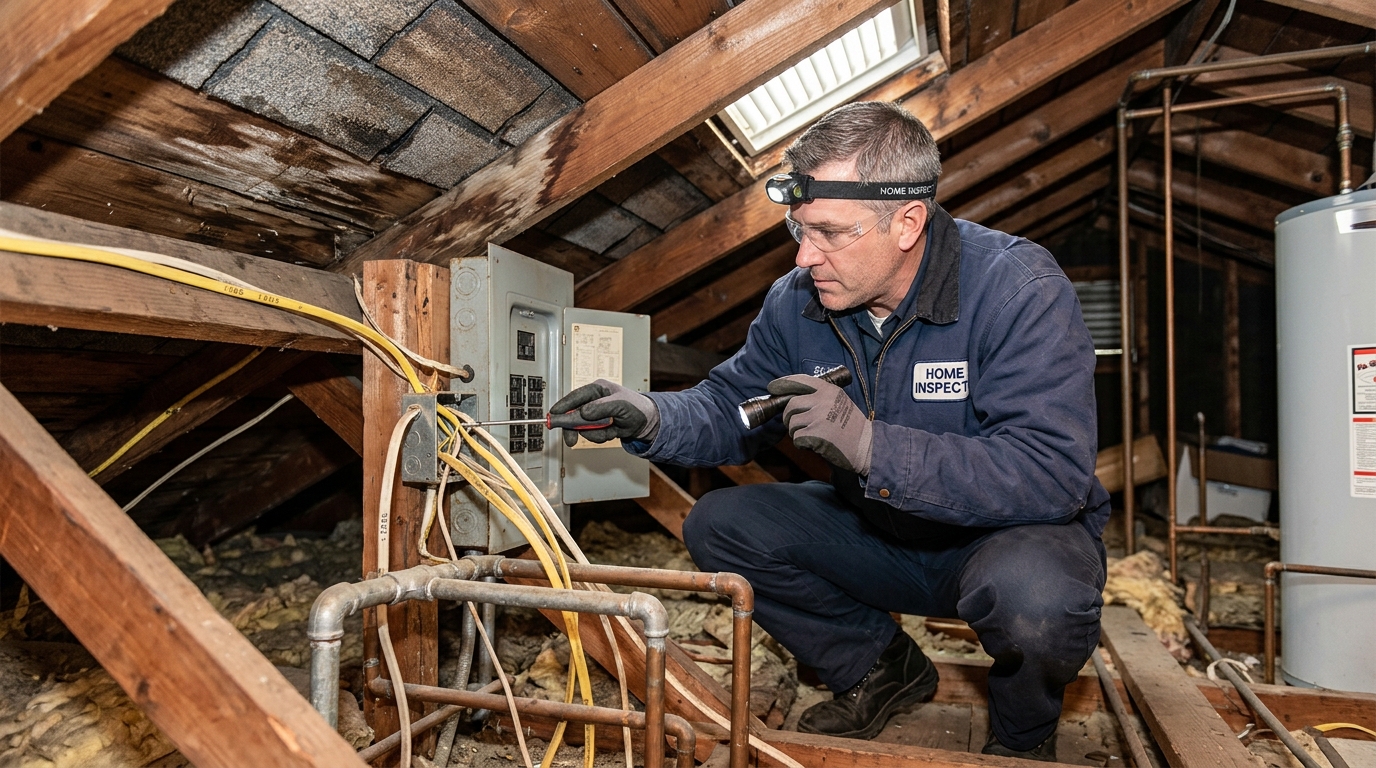
Insurance factors homeowners can review
Not every risk can be changed: a home’s distance from fire protection or its regional weather exposure is fixed. Yet homeowners can prepare useful information and ask insurers how specific details affect their options.
Before requesting quotes or renewing a policy, review these practical points:
- Confirm the roof’s age, material and repair history, and gather any recent inspection report.
- Request the property’s CLUE report if available, especially when a quote seems unexpectedly high or you are buying a home.
- Document upgrades to electrical wiring, plumbing systems and other major equipment with invoices or permits.
- Ask whether security systems or other safety improvements qualify for a discount.
- Describe pools, trampolines and other potential liability features accurately, then compare insurers’ requirements.
- Obtain multiple quotes, since companies may weigh the same roof, location or claims record differently.
Risk details and their possible insurance effects
The table summarizes common factors and the questions they may raise. It is a guide to discussion, not a promise of a particular rate or coverage decision.
| Property detail | Why insurers may review it | Useful homeowner step |
|---|---|---|
| Roof age, material and condition | Older or visibly worn coverings may be more vulnerable to weather and leaks. | Confirm the roof’s history and keep inspection and repair records. |
| Electrical wiring | Outdated or damaged wiring can increase fire hazards. | Document upgrades completed by a qualified professional. |
| Plumbing systems | Leaks or pipe failures can lead to costly water damage. | Repair known problems and retain maintenance records. |
| Claims history | Past losses associated with the property may affect underwriting. | Review the CLUE report and ask about inaccurate or unclear entries. |
| Fire protection and location | Distance from response resources and regional hazards can affect potential losses. | Compare insurers, as their assessment of location may differ. |
| Pool, trampoline or certain dog breeds | These features may add liability concerns or affect eligibility. | Ask about safety requirements, exclusions and available coverage. |
A sound approach combines accurate records with informed comparison. An insurance professional can explain how a particular carrier treats roof age, prior claims and household features, and help identify coverage options suited to the property.