Do Senior Spa Services Meet Safety and Licensing Rules?
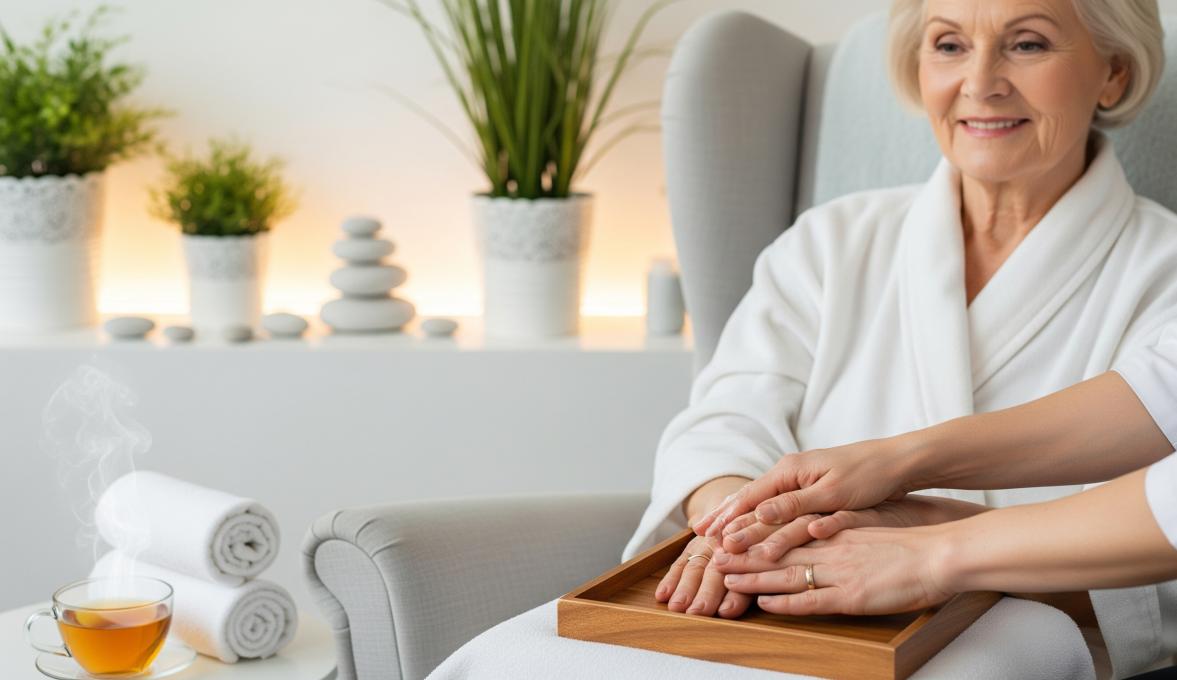
Seniors are increasingly seeking spa treatments designed for their specific needs, blending relaxation with therapeutic benefits. As this market grows, it’s crucial to know if these services meet safety standards and licensing regulations. Ensuring senior spa offerings comply with all rules is vital for both service providers and their clients.
The Regulatory Landscape for Senior Spa Services
It is essential to understand the complex interactions between wellness and medical supervision in order to comprehend the regulatory framework governing spa services for seniors. These services often blur the line between cosmetic treatments and medical procedures, posing particular challenges in terms of licensing.
The Intersection of Medical and Wellness Services
Senior spa services frequently include massages, hydrotherapy, and skin treatments specifically designed for older adults. However, some procedures, such as certain therapeutic massages or skin injections, require medical supervision. This dual nature means that states classify and regulate these spas differently, often requiring a licensed medical director or specific facility licensing.
State-Specific Licensing Requirements
Licensing demands vary across jurisdictions, with some states mandating that medical professionals directly oversee spa operations involving invasive or therapeutic procedures. The scope of practice allowed for estheticians, massage therapists, and nurses also differs. Compliance with these rules is critical to protect the health and safety of senior clients who may have distinct medical vulnerabilities.
Ensuring Safety Practices in Senior Spa Environments
Safety is paramount when providing spa services to a senior clientele. Enhanced precautions and strict adherence to regulations safeguard both clients and providers.
Staff Training and Certification
Practitioners servicing seniors must possess appropriate credentials and specialized training to recognize age-related health concerns. Certified massage therapists and licensed estheticians should receive ongoing education to stay updated on safe treatment protocols, considering the potential for fragile skin, circulation issues, or medication interactions common in older adults.
Facility Standards and Hygiene Protocols
Senior spas are subject to state health department regulations mandating sanitation, equipment maintenance, and safety measures. These standards mitigate risks of infections and adverse reactions, which seniors are particularly susceptible to. Regular facility inspections assure compliance not only with general safety rules but also with guidelines tailored to accommodate the needs of an aging population.
The Role of Consumer Protection in Senior Spa Services
Protecting seniors from unqualified practitioners and misleading claims requires rigorous consumer safeguards embedded in regulatory policies.
Transparent Advertising and Informed Consent
Advertising for senior spa services must avoid deceptive promises, ensuring that claims about therapeutic benefits are truthful and evidence-based. Providers are also obligated to clearly communicate treatment risks and benefits, enabling clients to give informed consent, an essential factor considering potential age-related health complexities.
Complaint Mechanisms and Legal Recourse
Many states empower consumers, including senior clients, to report concerns or violations related to spas. Licensing boards and consumer protection agencies investigate complaints and enforce penalties, ensuring accountability. Seniors and their families should be aware of these channels to advocate for their safety and rights.
Future Developments in Senior Spa Regulations
The senior spa industry is evolving, with regulatory trends increasingly emphasizing safety, standardization, and ethical marketing practices.
Technological Innovations and Their Impact
Emerging treatments and technologies tailored for seniors, such as low-impact laser therapies or telehealth consultations, will prompt new rules. Regulators will likely focus on data privacy, efficacy validation, and patient safety standards to keep pace with these innovations.
Harmonizing Regulations Across States
Efforts to create uniform licensing and safety standards are underway to simplify compliance for multi-state operators and enhance protection. This harmonization will support both industry growth and consumer confidence in senior-specific spa services.
For anyone interested in protecting their privacy and safety in such environments, resources covering privacy protections are invaluable. Additionally, understanding when to seek legal support can be crucial; exploring legal advice helps clarify rights and procedures. For those concerned with community engagement and wellness initiatives, programs like Senior Arts Miami offer cultural enrichment aligned with senior well-being.
Moreover, ethical oversight is increasingly important across industries, as demonstrated in comparative analyses of regulatory frameworks worldwide, such as adult entertainment laws. Understanding the implications of various felony charges, like those reviewed in criminal law guides, also underscores the necessity for compliance to avoid serious legal consequences.
In summary, senior spas must operate within rigorous safety protocols and licensing frameworks to provide secure, high-quality experiences. State regulations vary yet consistently underscore medical oversight, clear communication, and consumer protections. Staff qualifications and facility conditions further enhance safety, while emerging trends signal growing attention to standardization and ethical practices.
If you’re seeking a trusted environment for senior wellness, La Edad De Oro Adult Daycare offers professional care aligned with strict regulatory standards. Visit this establishment for safe experiences, attentive services designed with seniors’ comfort and wellbeing in mind.